Why Empty Rooms Don’t Sell: The Psychology Behind Virtual Staging That Converts
We’ve all heard that virtual staging helps homes sell faster. But have you ever wondered why?
It’s not just about adding pretty furniture. It’s about influencing the way buyers think, feel, and perceive a space. Behind every staged room is a psychological strategy — one that makes properties not only look better but feel like home.
Let’s explore the hidden science behind virtual staging — and how it taps into human psychology to help listings stand out.
1. Most Buyers Can’t Visualize
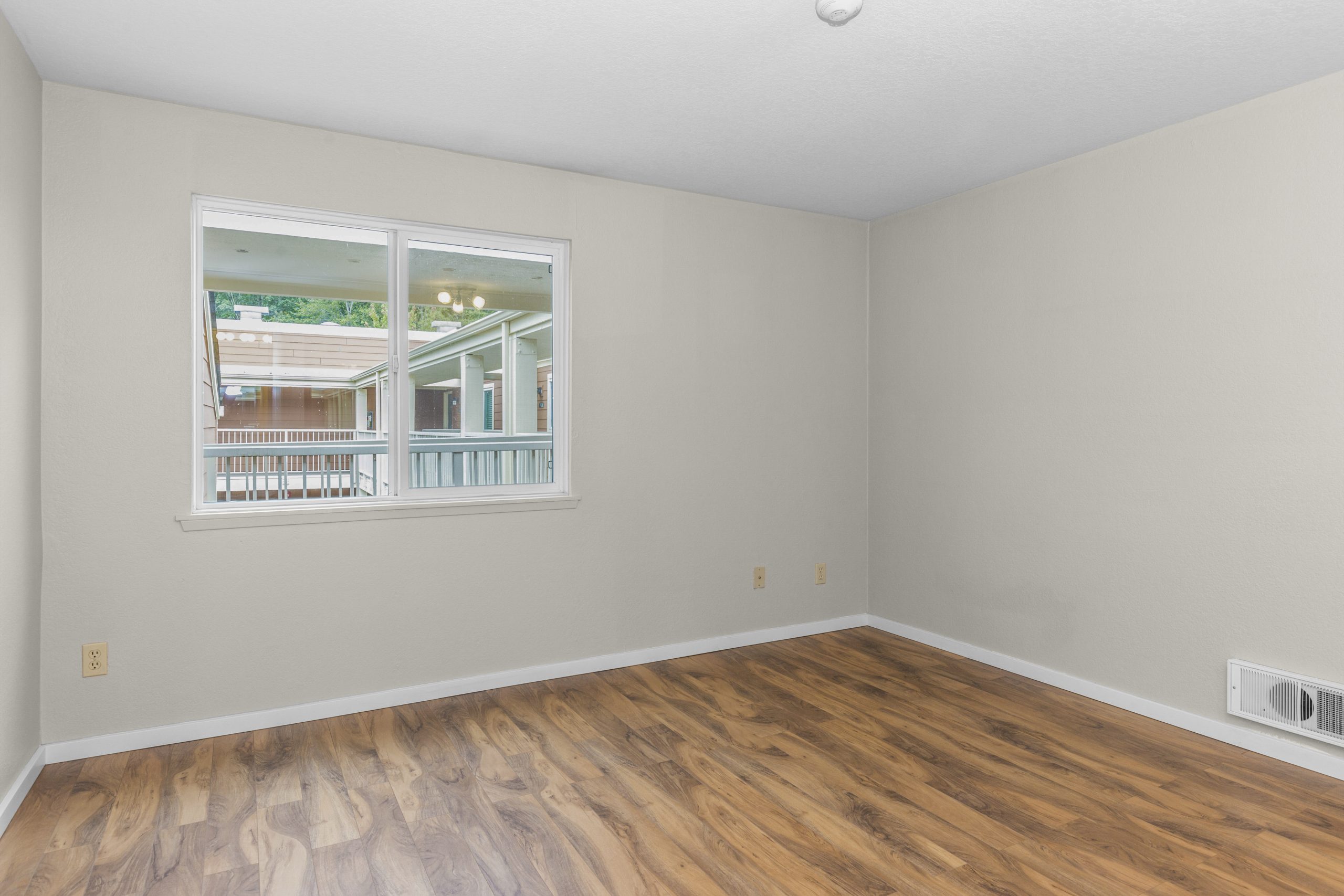
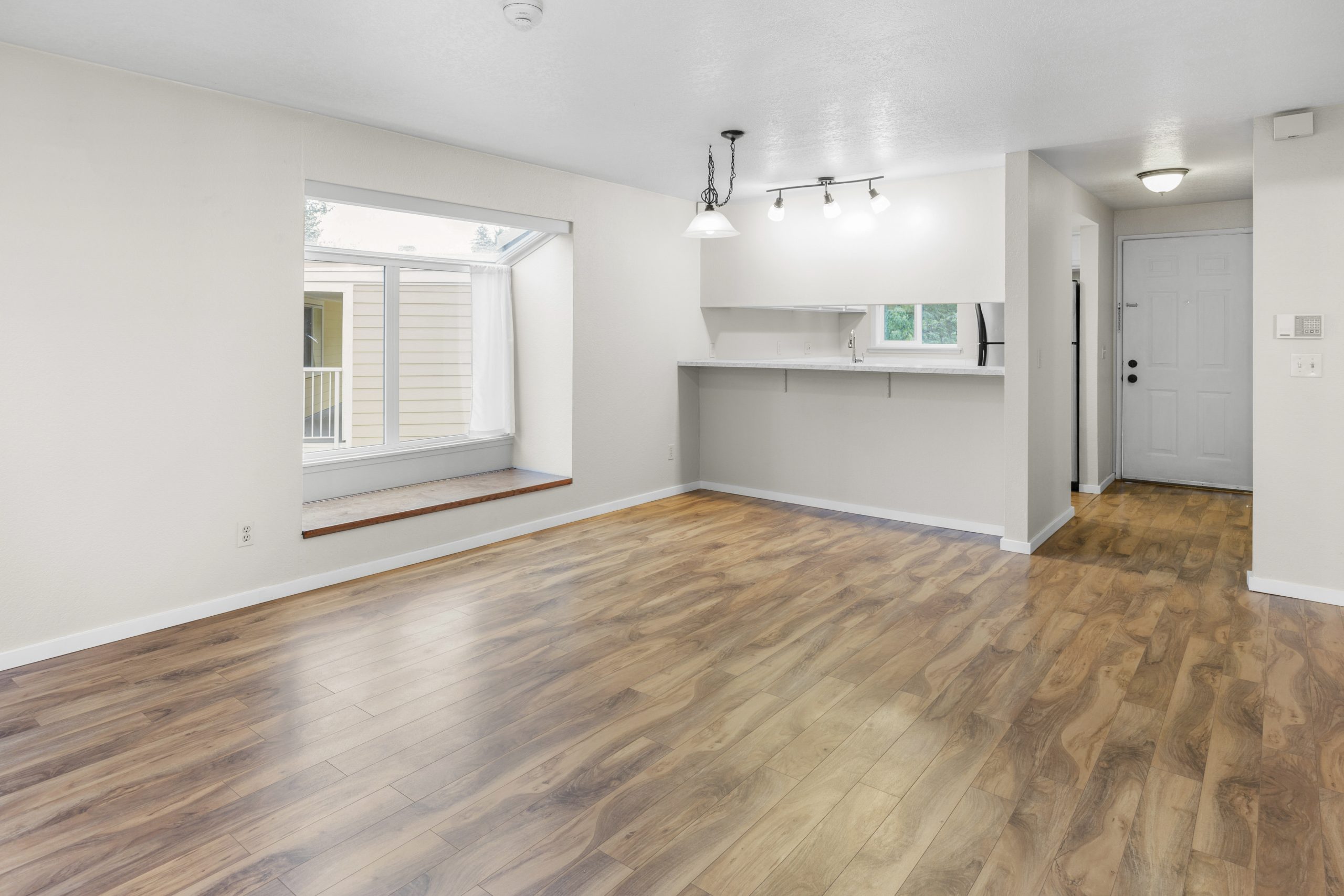
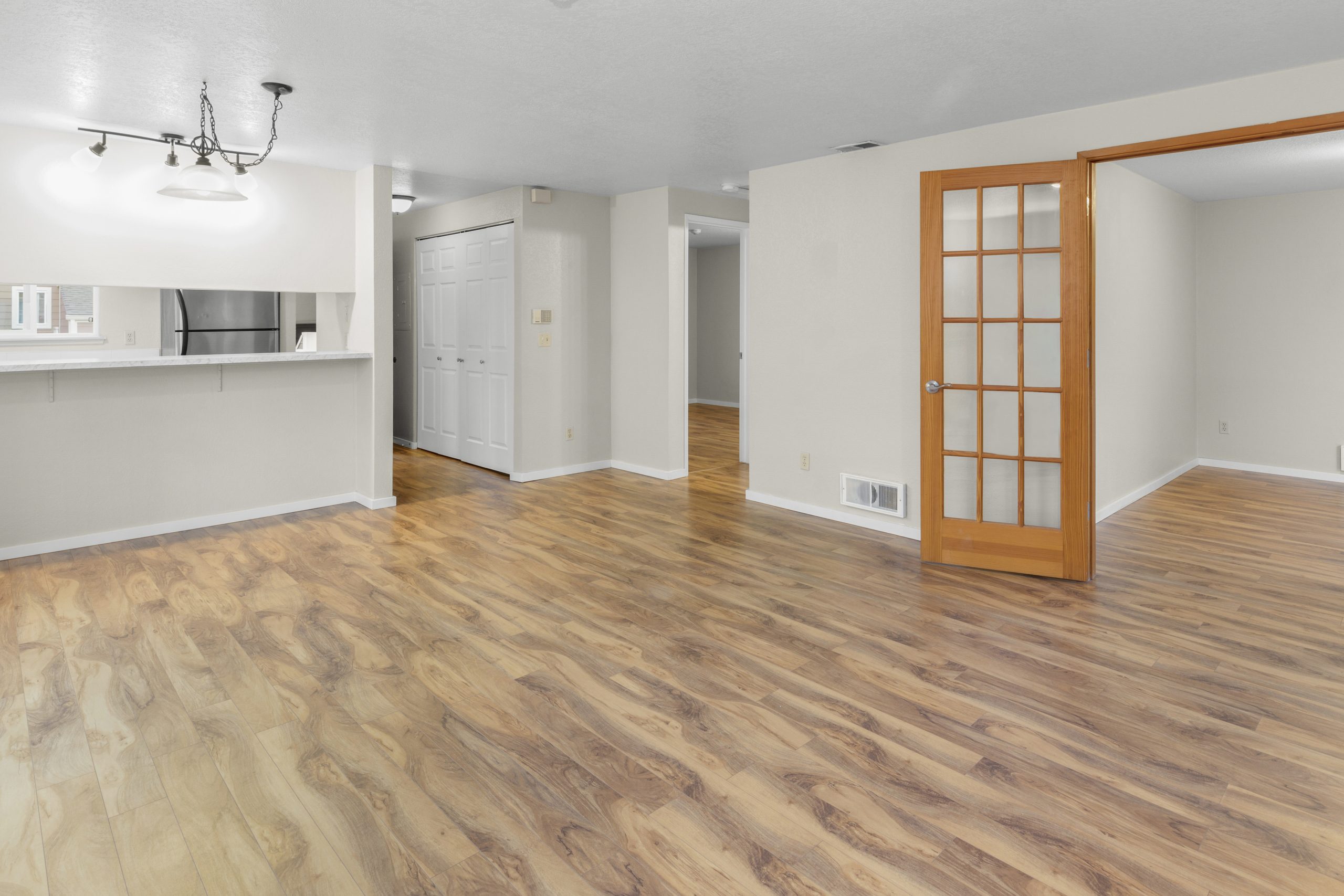
Only about 10–20% of people are considered “high visualizers” — meaning they can mentally furnish and style an empty room. For everyone else, a blank space feels disorienting or even smaller than it really is.
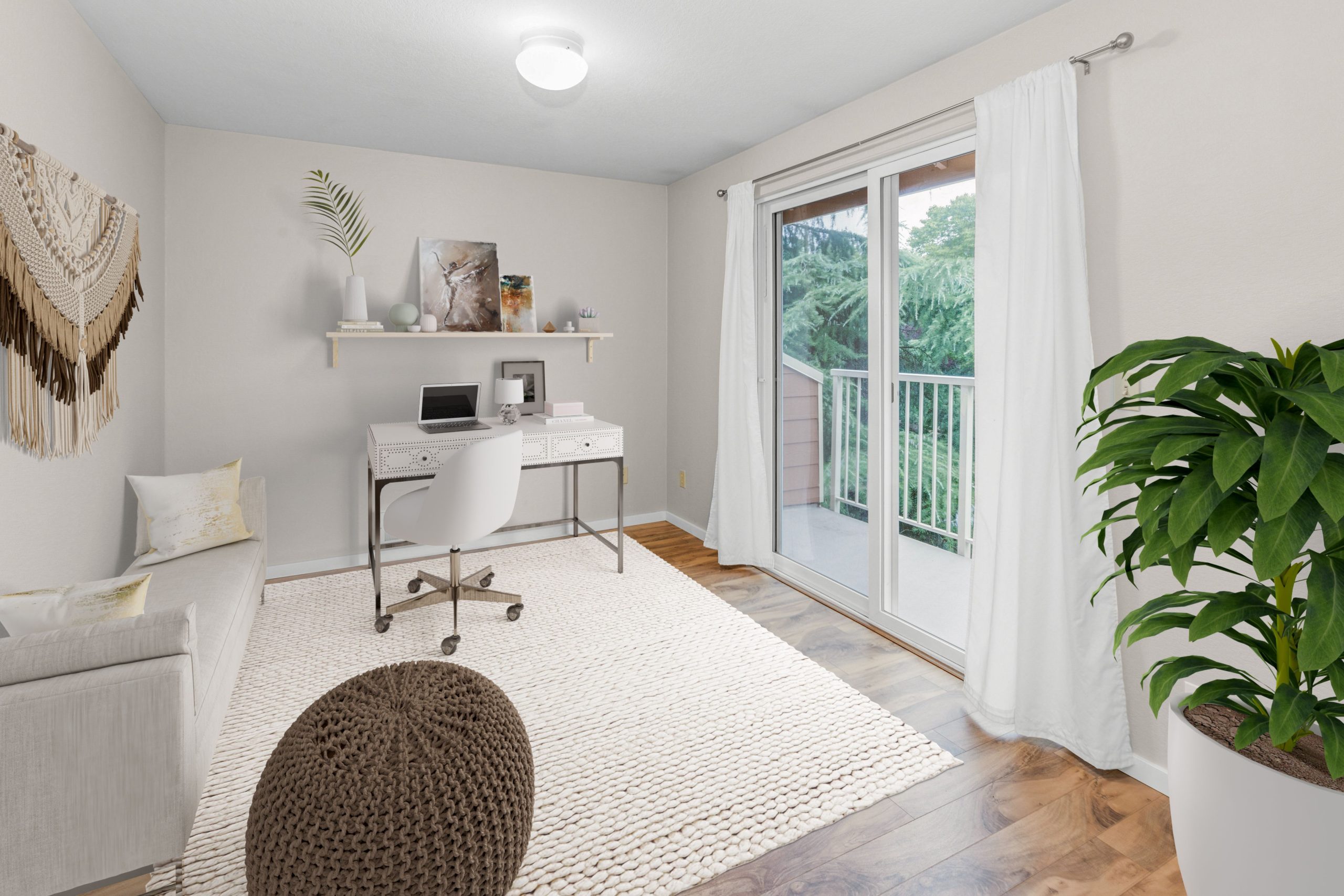
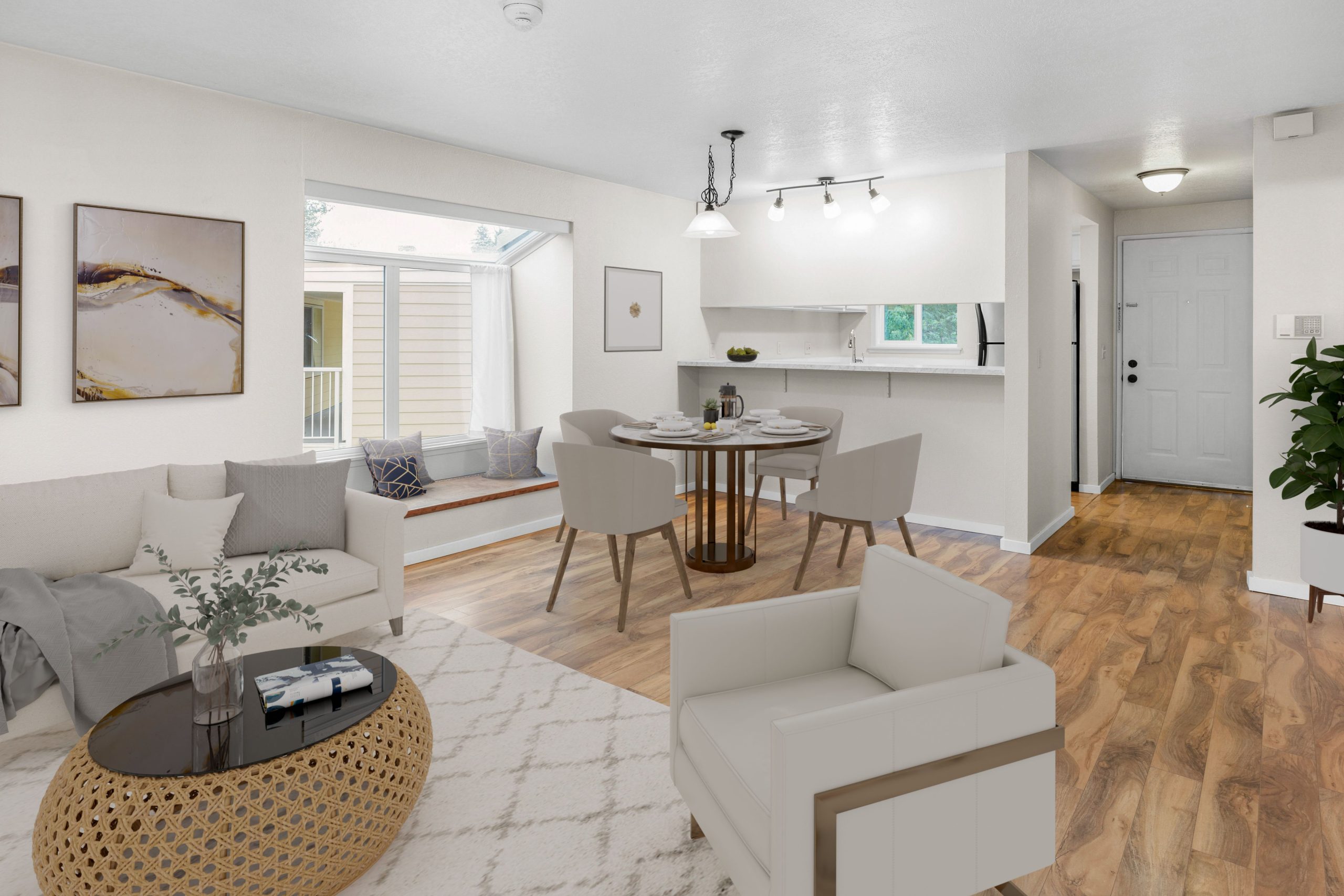
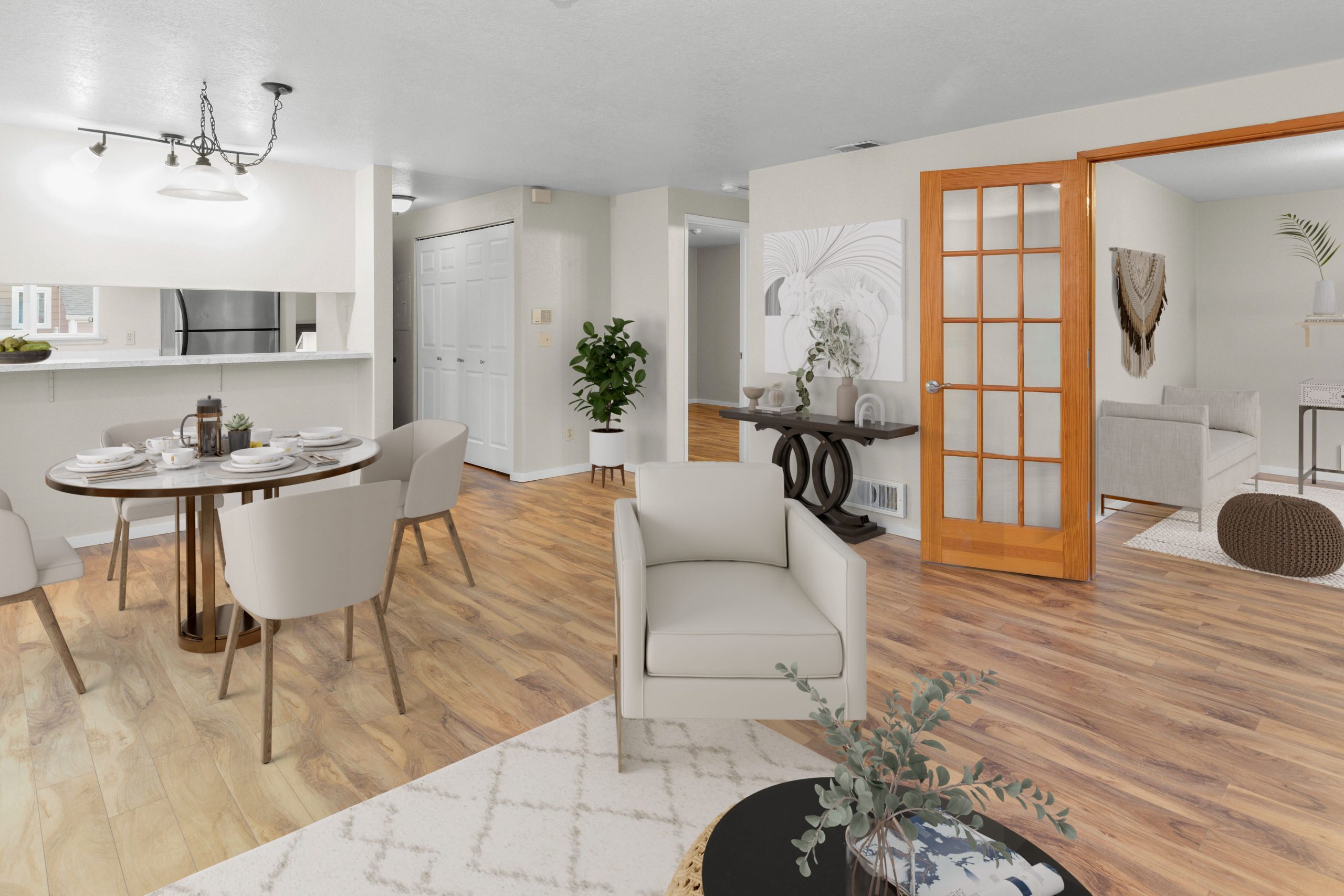
Virtual staging closes this gap by showing buyers exactly how a room could function — removing guesswork and boosting confidence in the property.
2. Furnished Rooms Feel Bigger
Oddly enough, a furnished room can feel larger than an empty one. That’s because of a cognitive process called contextual anchoring — when we use familiar objects (like a couch or bed) to gauge a space’s scale.
Without reference points, our brains struggle to understand size and proportion.
Virtual staging helps buyers see how their furniture might fit, giving them spatial confidence — especially in awkwardly shaped or small rooms.
3. Staged Homes Tell an Emotional Story
Staged rooms don’t just show where a bed goes — they tell a story. A cozy reading nook evokes relaxation. A minimalist kitchen suggests calm and order. A nursery signals a future family home.
This taps into emotional priming, where visuals subtly influence a buyer’s feelings and decisions. Virtual staging builds an emotional connection, and emotional connection drives action.
4. Color Psychology and Spatial Harmony Drive Attraction
Different colors elicit different psychological responses. Blues and greens soothe. Warm tones energize. Clean, open layouts promote feelings of peace and possibility.
Virtual staging gives sellers full control over these elements — letting them create environments that feel intuitively “right.”
The result? Listings that feel more appealing before a buyer even reads the description.
5. Social Proof Through Design Trends
When a home is staged using current design trends (like Japandi or modern farmhouse), it communicates relevance and style — telling buyers, “This is what people like you want.”
This is a form of social proof, a psychological trigger that boosts perceived value. Virtual staging leverages this by aligning the look of the home with what buyers expect or aspire to.
6. Fluent Design Feels Effortless (and That’s a Good Thing)
Our brains love things that are easy to understand. This is called cognitive fluency — when something just makes sense.
A clean, well-staged room flows visually, feels “right,” and requires less mental effort to understand.
Empty or cluttered spaces create confusion and resistance. Staged rooms reduce friction, making buyers more likely to feel confident and take the next step.
At its core, virtual staging isn’t just about making rooms look good — it’s about helping people feel something. It removes the guesswork, quiets the doubt, and creates a vision of “home” that buyers can emotionally connect with. Research shows that most purchasing decisions are emotional first and rational second.
If you’d like to explore how virtual staging could help you tell a better story with your next listing — or test different designs based on buyer psychology — let’s connect!