The world of 3D visualization is evolving rapidly, and 2024 has brought exciting advancements for builders, realtors, and developers. As we close out the year, let’s look at the trends shaping the industry and what’s on the horizon for 2025.
1. Photorealistic Renderings
In 2024, photorealistic renderings set the bar high. Advanced software now creates ultra-detailed textures, natural lighting effects, and lifelike reflections, making it hard to tell if a property is real or rendered.
2. Interactive 3D Tours
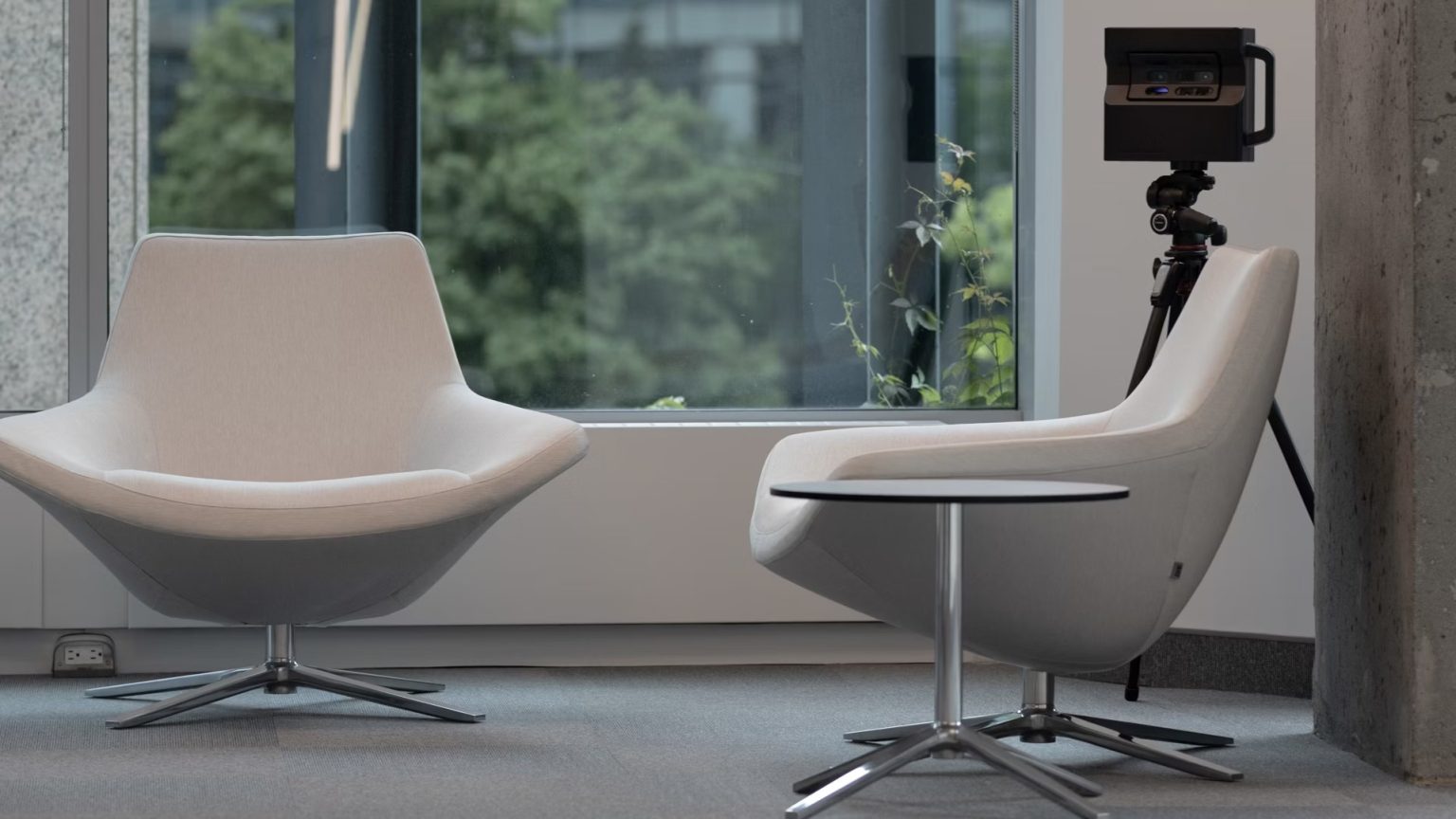
Buyers want to explore properties from the comfort of their homes. Interactive 3D tours, powered by technologies like Matterport, offer immersive, 360° experiences that engage and convert potential buyers faster than traditional listings.
3. Virtual Reality (VR) Integration
With VR headsets becoming more affordable, builders and realtors are adopting virtual reality to offer prospective clients a “walkthrough” experience before construction begins. It’s a powerful tool for pre-sales and pre-leasing properties.
4. 3D Floor Plans
3D floor plans are helping clients visualize spaces more effectively. These detailed plans offer a clear and realistic view of a property’s layout, showcasing room dimensions, flow, and furniture placement.
5. Virtual Staging
Virtual staging is revolutionizing the way vacant properties are marketed. By digitally adding furniture, décor, and finishes, realtors can transform empty spaces into inviting homes buyers can picture themselves living in. It’s a cost-effective, scalable solution that’s expected to grow even further in 2025, with tools becoming more sophisticated and easier to use.
6. AI-Powered Inspiration
While AI technology is still limited in fully customizing spaces, it’s already providing builders and their clients with valuable design inspiration. By quickly generating options like wall colors, furniture layouts, or landscaping styles, AI helps spark creativity and refine design concepts, even if further manual adjustments are needed.
7. Augmented Reality (AR) for Real Estate
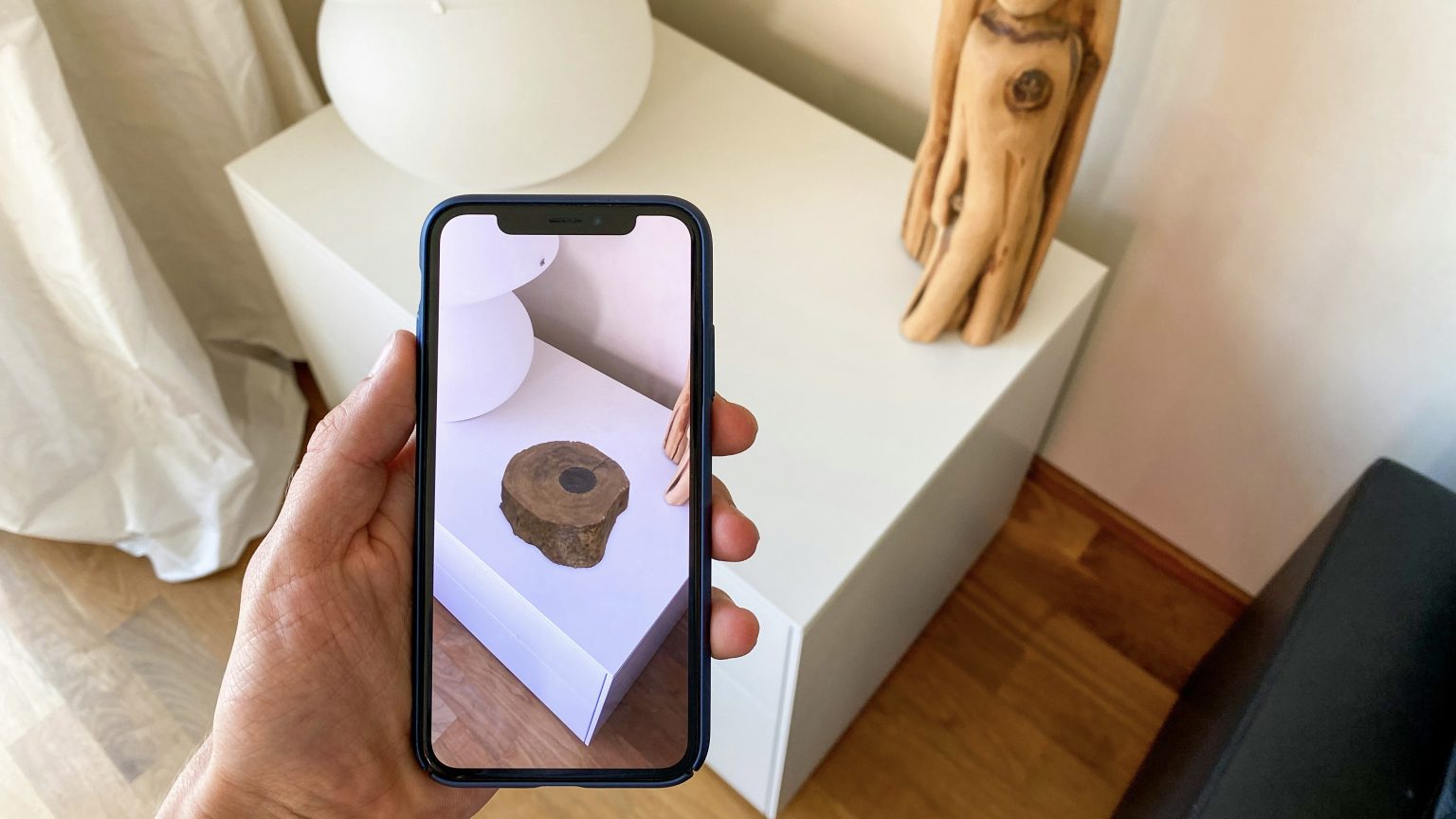
AR is helping buyers visualize properties on their phones or tablets. From placing virtual furniture in an empty room to overlaying future construction onto an empty lot, AR simplifies decision-making.
What’s Next in 2025?
As we look ahead, 2025 promises even greater advancements in 3D visualization. Expect deeper integration between these tools and emerging technologies like AI and AR. Sustainability-focused visuals, highlighting eco-friendly designs and materials, will also play a larger role in property marketing. Additionally, as these technologies become more cost-effective, small- to medium-sized firms will gain access to high-quality tools once reserved for larger companies.
These trends are all about looking impressive and delivering results. High-quality visuals can shorten sales cycles, attract more leads, and provide an edge in a competitive market.
Are you ready to bring your projects to life with cutting-edge 3D visualization? Contact us today to learn more!